Seminar 1
Parent's Engagement seminar
- When
- Date to be communicated
- Venue
- PCEA Town Church
Since 2006, PCEA Nanyuki Town Church has guided adolescent boys through one of life’s most significant transitions, as a ministry of discipleship, mentorship and character formation.
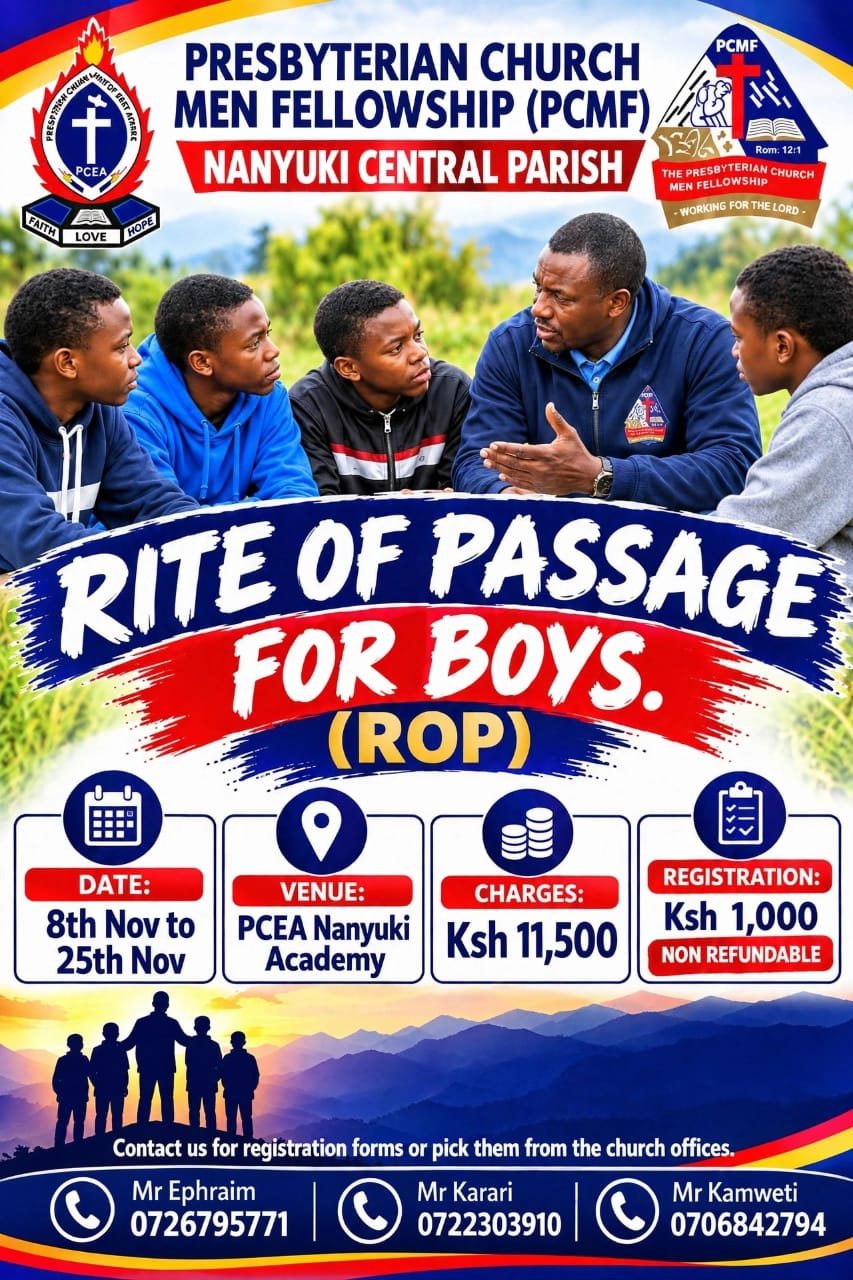
PCEA Nanyuki Central Parish, through the Presbyterian Church Men Fellowship (PCMF), warmly invites parents and guardians to register their sons for this year’s Boys’ Rite of Passage: a Christ-centred camp of mentorship, discipleship and a safe, medically supervised rite, led by the Parish Minister and a trained team.
This year’s theme: “A vessel of honour” (2 Timothy 2:19–20)
Registration
Open now, online
Check-in day
Sunday 8 November 2026
Camp
8th – 25th November
Venue
PCEA Nanyuki Academy
Registration fee
KSh 1,000 · non-refundable
Camp charges
KSh 11,500
Pay only through the bank Paybill 400200, account 01128367697000 (Co-operative Bank, Nanyuki Branch), or cash at the bank to the same account. Never to a personal number. For help, call the committee below.
About five minutes, no account needed
Medical, consent and the parents’ seminar
The journey itself, and the celebration
Parents are fundamental partners in this programme and its main sponsors. The team asks parents to walk the whole journey with their sons.
Step 1 of 7
Register with the non-refundable registration fee.
You then receive the registration/requirements form, which lists everything your son needs for personal use in the camp, and the medical form.
Every parent or guardian attends. They are part of your son’s journey, not an extra.
Seminar 1
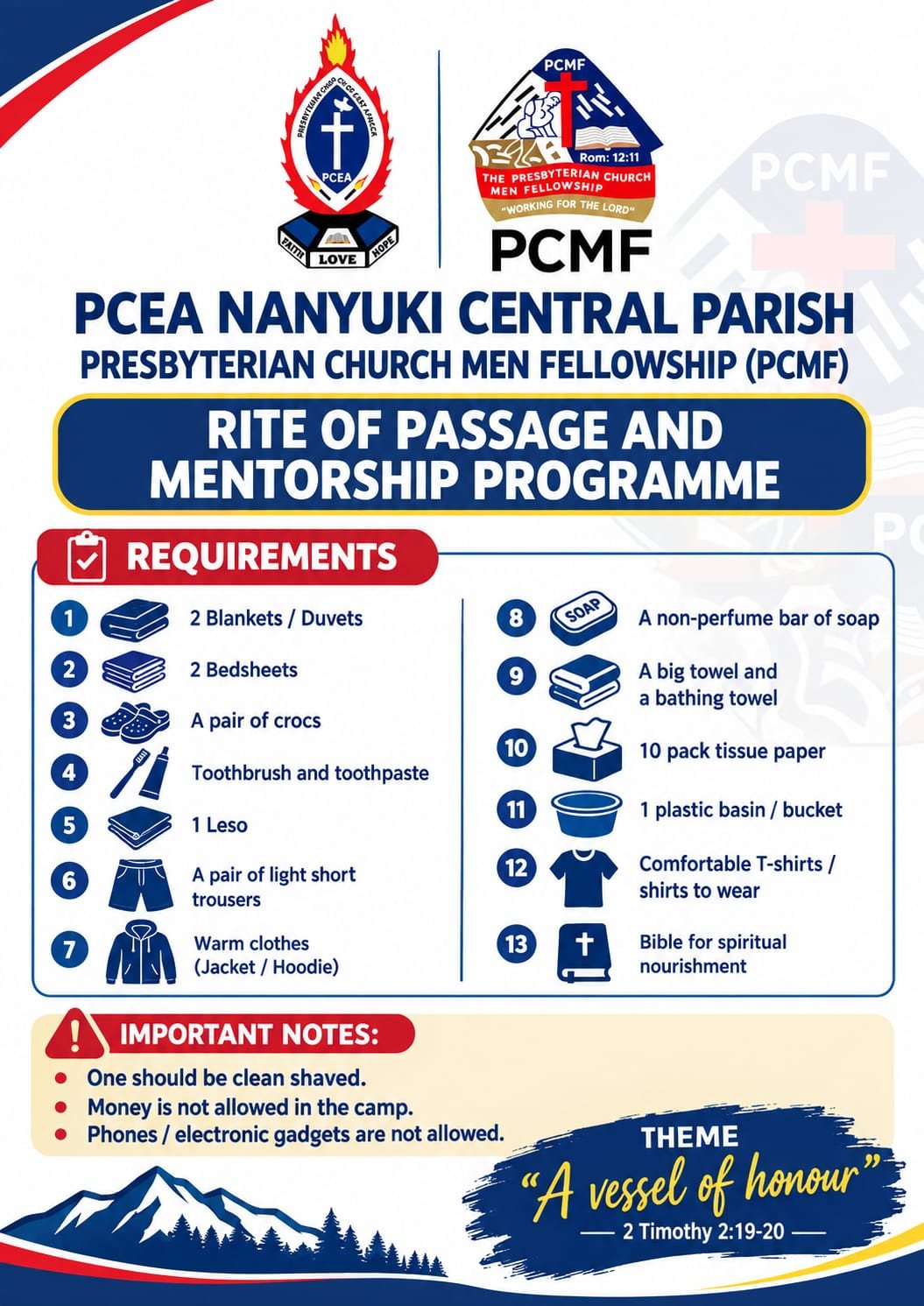
Each boy brings
16 itemsProvided at camp
Utensils, a branded pen and a notebook are provided at camp. Your son may bring an extra pen.
Strictly prohibited
Strictly prohibited in the camp. The camp administration shall not be held accountable for the loss of, or damage to, any of these items.
Download the committee’s posters and share them with other parents.
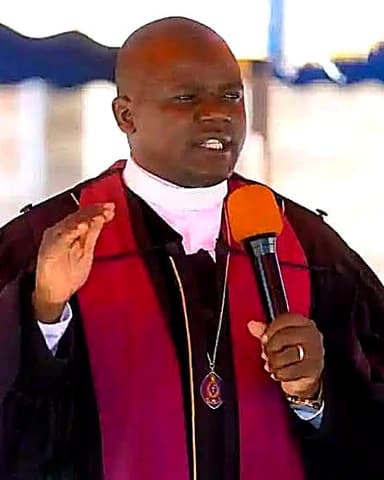
Parish Minister, PCEA Nanyuki Central Parish
Our team
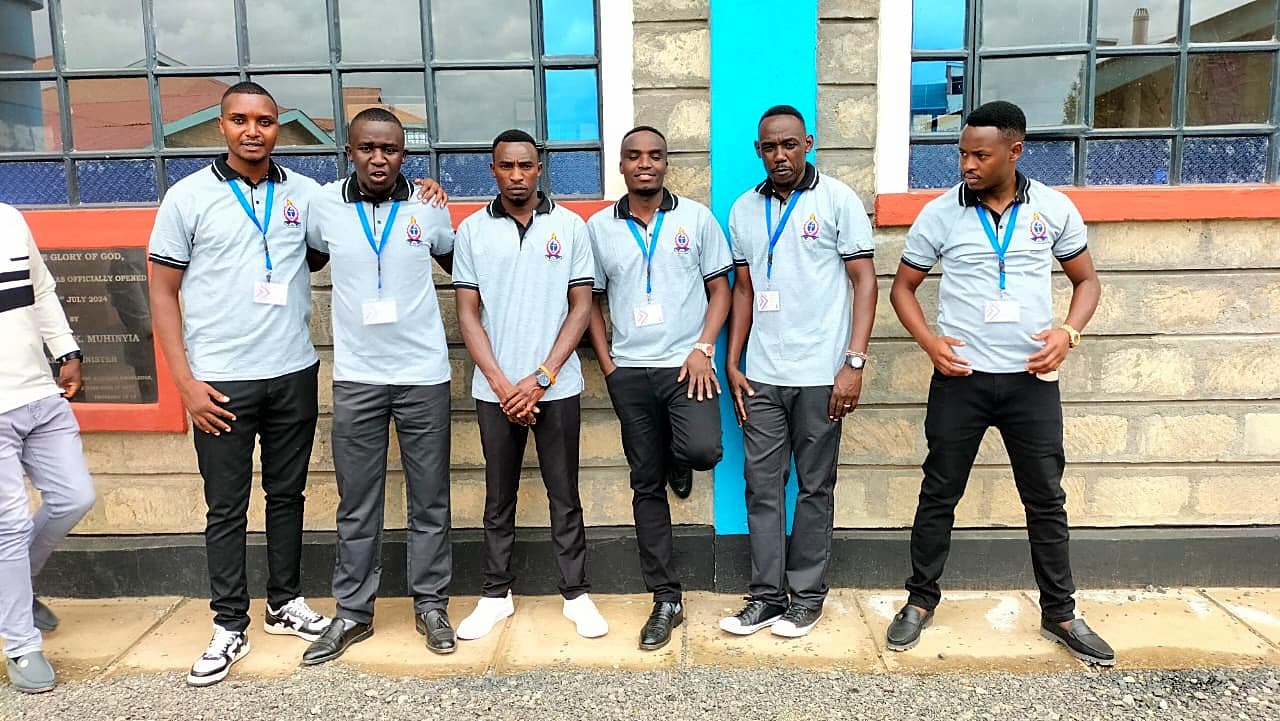
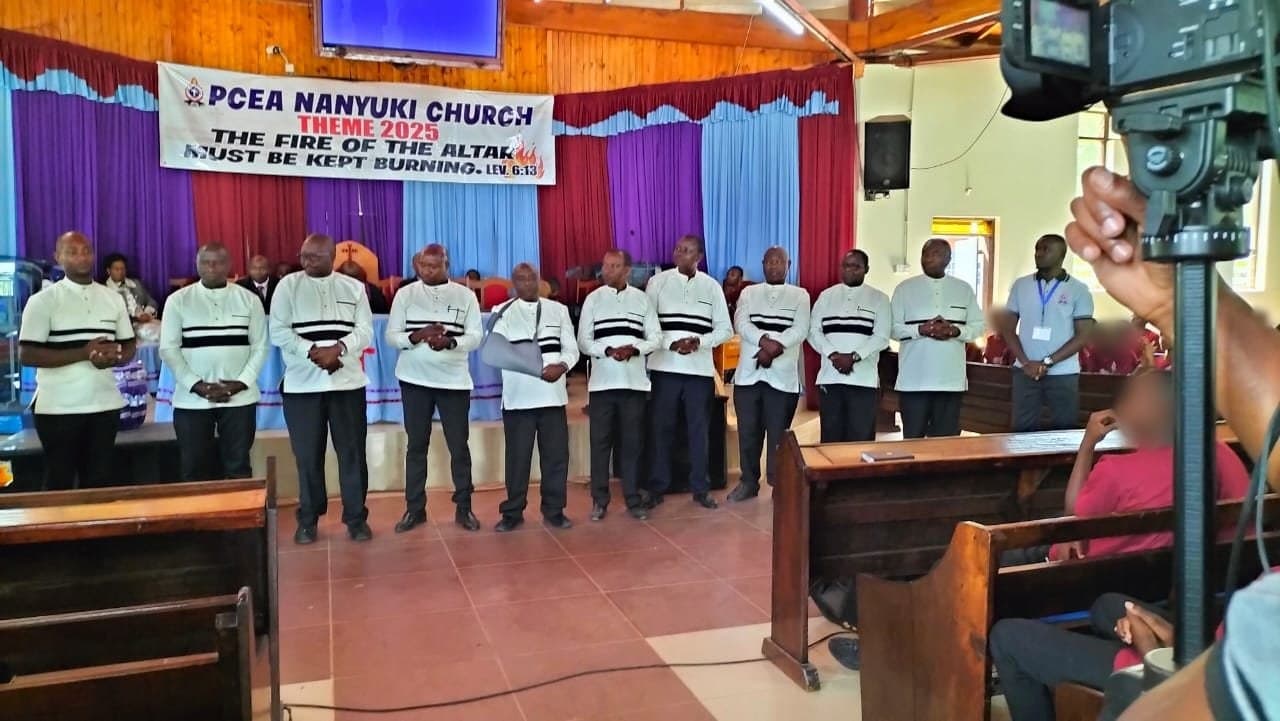
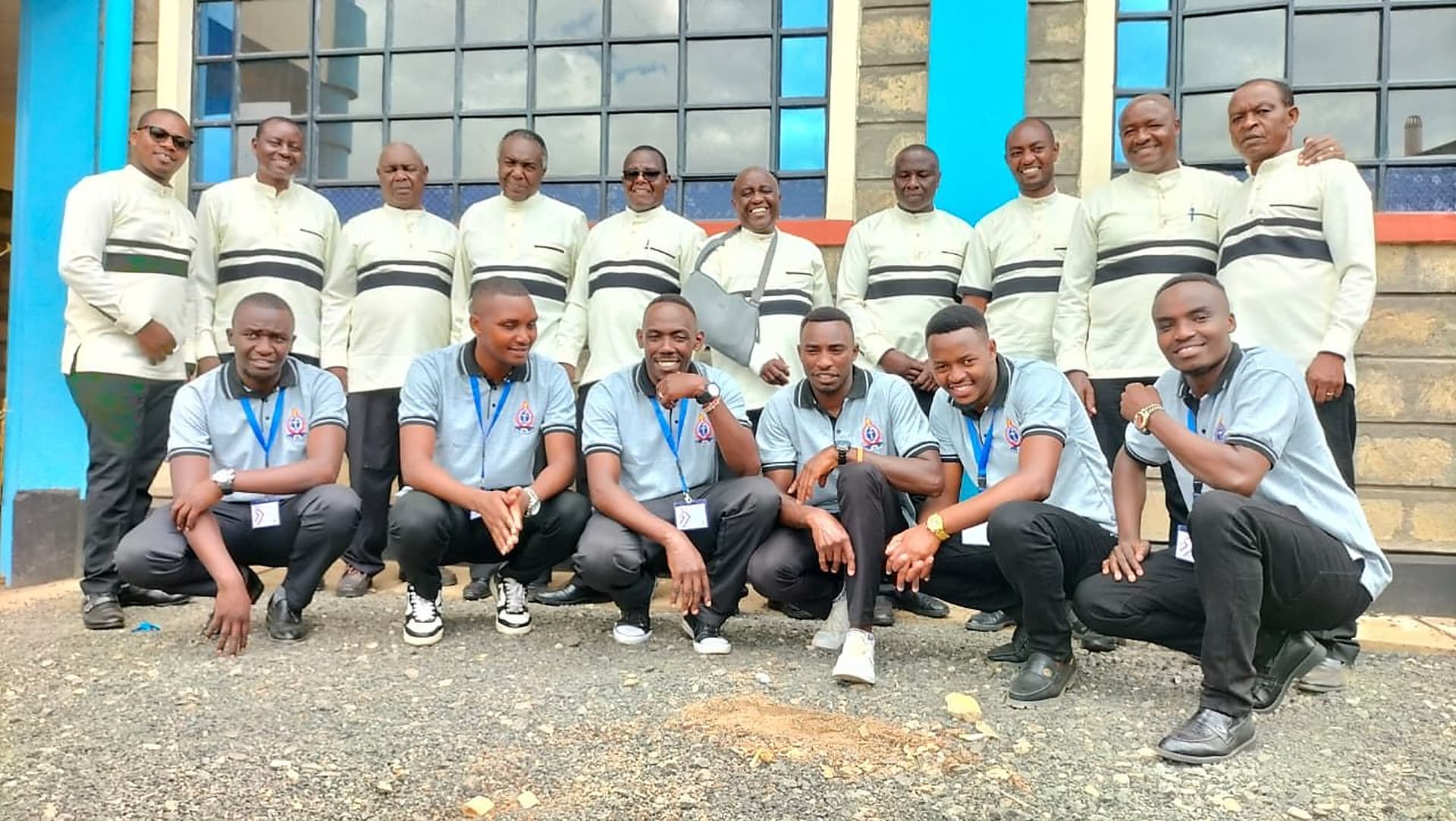
A committee of the Presbyterian Church Men Fellowship and trained mentors who give their time to walk with the boys, from check-in to graduation.
Elder Alan Maina
Patron
Ev Josephat Kithinji
Evangelist
Mr Ephraim Wachira
Coordinator
Mr Gachuhi Mute
committee member
Mr Joseph Kamweti
Secretary
Mr Nicholas Mwangi
Member
Mr Peter Diba
Medic in charge
Mr Michael Maina Waiguru
Commitee Member
Mr Dennis Gatere Wairimu
Mentor
Mr John Kuria Wanjugu
Mentor
Mr Mungai Murigi
Mentor/Committee Member
Mr Dennis Murimi
Mentor
In the late 1990s the Presbyterian Church of East Africa identified a significant mentorship gap among adolescent boys. The Rite of Passage was pioneered out of concern for the boy child, particularly through the early years of the Presbyterian Church Men Fellowship (PCMF), combining the traditional transition experience with Christian teaching and holistic mentorship.
The PCEA Nanyuki programme began in 2006, after concerns emerged about the challenges facing the boy child in an increasingly urban and cosmopolitan environment. It was pioneered by Charles Wanyoike, Stephen Kinuthia, Francis Kiboi, Michael Waiguru, Erick Sabayen and Leonard Kamau, with pastoral leadership from the late Rev. Stephen Chumo, then the Parish Minister.
The programme started with 97 boys and grew, at one point registering approximately 180. Its catchment now reaches beyond Nanyuki to parts of Nyeri and Meru, and to families in the diaspora. Young men from different communities and Christian denominations have taken part, making it a platform for mentorship, Christian fellowship, character formation, leadership and responsible citizenship.
Boys come from
Devotions, Bible study, worship and prayer throughout the camp, with a theme word and a biblical character of focus. Presbyterian boys take a crash catechism programme with their parents’ permission.
A structured 10-day mentorship and training programme: the journey to manhood, self-esteem, character and faith, peer pressure, stress management, drugs and other addictions, and preparing for the next phase of education.
The medical procedure is conducted only by qualified medical professionals with parental consent, and a qualified medical person is on duty every day from the procedure through to graduation.
Hands-on skills training, such as first aid, alongside team-building, guided discussions and reflection, so the boys learn by doing rather than simply listening.
Appropriate adult–boy boundaries at all times, high standards of hygiene and sanitation, and camp rules the boys agree on together on the first evening.
The Parish Minister presides over graduation, presents certificates and commissions the young men to carry what they have learnt into their homes, schools, church and communities.
Graduation is not the end of the journey. Where resources permit, the team follows up with post-camp seminars, mentorship meetings and continued engagement with parents.
Guided by our motto, the programme seeks to cultivate young men who embody these values. They shape every part of the programme and give a lifelong foundation for faithful Christian living.
What these values grow into
A personal relationship with God. Through prayer, Scripture, worship, reflection and practical Christian living.
Self-awareness and emotional maturity. Understanding his emotions, strengths, weaknesses, values and responsibilities, and managing them in healthy ways.
Building character. Integrity, discipline, honesty, humility and responsibility: favour with both God and people.
Leading others. Servant leadership that influences through example, humility and service, never through pressure or intimidation.
Living wisely. Practical life skills, wisdom, resilience and decision-making for life’s opportunities, challenges and storms.
Serving the community. Using his gifts and abilities in the service of humanity.
Leaving a legacy. Becoming a positive role model and, in time, a mentor to the next generation of young men.
Rites of passage are not single events but transformational processes. The camp provides the foundation, graduation marks the commissioning, and continuity gives the boys the chance to apply what they have learnt in real life.
Stage 1 of 4
Preparation begins around April: the team is commissioned, the calendar and charges are set, the parents’ engagement seminar is held, and registration and medical consent forms are prepared.
At camp, two days of preparation help the boys bond, overcome anxiety and understand the meaning of the rite.
The programme takes the dignity, safety, welfare and rights of every boy with the utmost seriousness, and is committed to a safe, respectful and nurturing environment throughout the journey.
ConfidentialityConfidentiality is a mandatory rule. A boy’s personal information and any challenges detected are shared only with his parents.
Parental consentInformed consent from a parent or legal guardian is obtained before a boy is admitted to the camp and before any medical procedure.
Qualified medical staffMedical procedures are conducted only by qualified, authorised professionals, who keep each boy’s medical information strictly confidential. A qualified medical person is on duty every day through to graduation.
Clear boundariesEveryone working with the boys (mentors, caregivers, medical staff, cooks, cleaners and volunteers) keeps appropriate adult–boy boundaries and protects the boys from any form of harm.
Hygiene and sanitationHigh standards of hygiene are non-negotiable: food handling, clean restrooms and hostels, ventilation, waste disposal and personal hygiene.
Child protection policyEvery committee member upholds the PCEA Child Protection Policy and safeguarding principles.
The programme admits boys aged 13 to 15, usually at the transition from junior school to senior school. Some boys are about two years older because of circumstances during their schooling.
Yes. The programme admits boys of all Christian faiths, regardless of denomination, and from different communities across Kenya. On a few occasions, boys of other faiths are admitted on condition that they keep all Christian life requirements and have a Bible.
This year’s registration fee is KSh 1,000 and is non-refundable. Camp charges are KSh 11,500. The full programme charges depend on inflation, feeding, operation fees and medication, professional teaching and mentoring, orientation, utilities, wages and other logistics.
You receive the registration/requirements form, which lists the items your son needs for personal use in the camp, and the medical form.
You give his full medical history, which is verified in a sitting with you, your son and the medical team, and you sign a consent form. The procedure is done only by qualified medical professionals, and a qualified medical person is on duty every day through to graduation.
Yes, two parents’ meetings: an engagement seminar one to two months before admission, and a second a week before graduation.
A structured 10-day mentorship and training programme covering the journey to manhood, the traps of manhood, self-esteem, character and faith, academic excellence, stress management, drugs and addictions, and peer pressure, plus practical skills.
Yes. Confidentiality is a mandatory rule: a boy’s personal information and any challenges detected are shared only with his parents.
Graduation is not the end of the journey. Where resources permit there are post-camp seminars, mentorship meetings and, in special cases, home visits.
Still have a question? The committee is glad to help.
Committee contactsFor the programme to have a real impact on the boys, in the camp and after it, many people are involved.
The Session OfficeLed by the Parish Minister.
The local church leadership
PCEA AcademyThe school leadership and Board of Management, where the camp is hosted.
The medical team
The mentorsThe boys’ caretakers, normally dedicated young men.
The support teamCooks, cleaners and security.
The facilitatorsProfessionals who take the boys through the curriculum.
The devotion teamOutstanding young men of faith.
The EvangelistTakes the Presbyterian boys through a crash catechism programme.
The alumniFormer boys who come back to give moral support.
The PCMF ROP teamThe organisers of the whole programme.